Real EstateOctober 26, 2026
What Is the Defects Liability Period in Dubai? Your Developer Warranty Explained
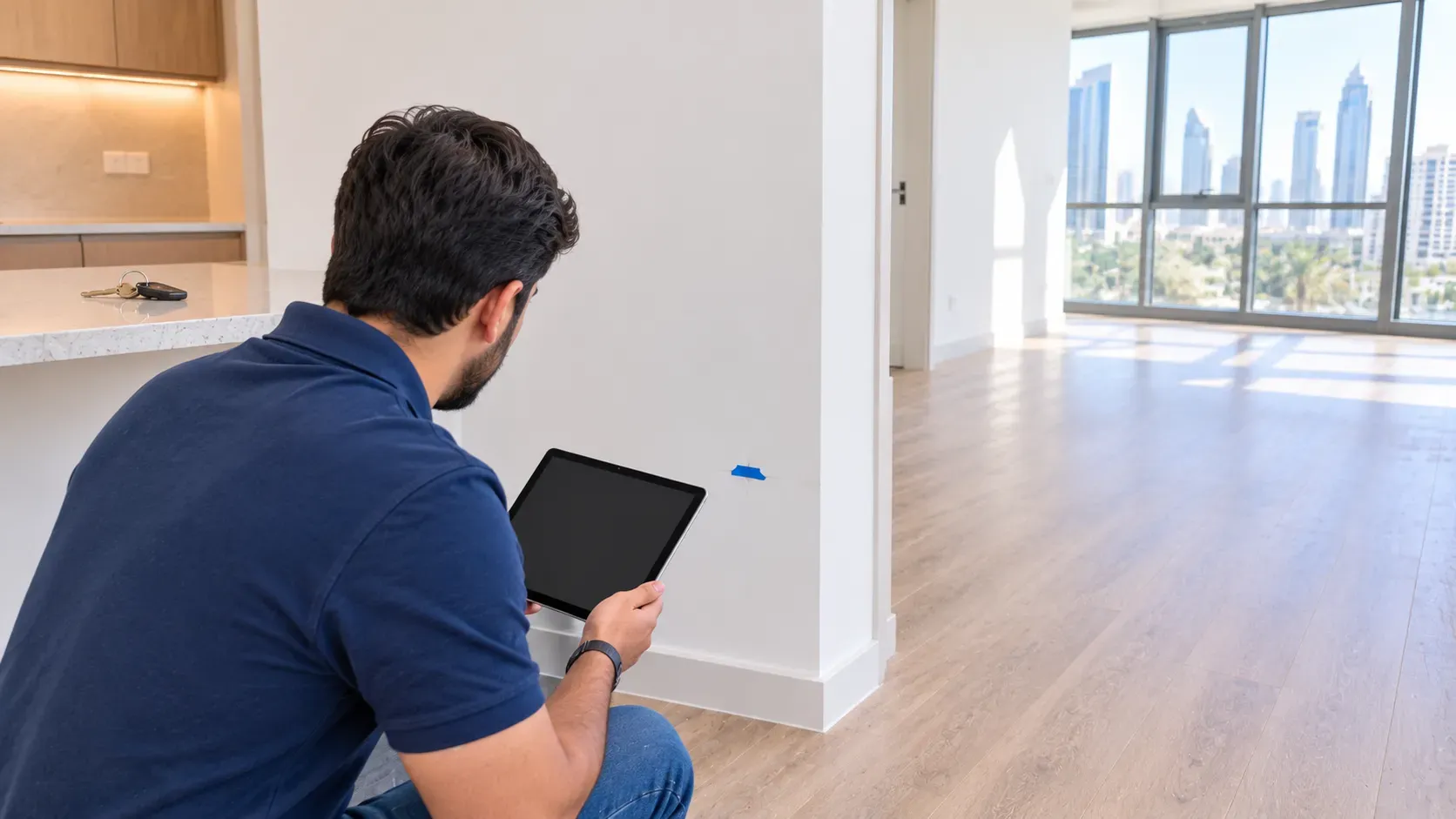
You've just collected the keys to a brand-new apartment. Three months later, a pipe starts leaking behind the kitchen wall. Whose problem is it, and who pays?
The defects liability period in Dubai answers that question. It is the window during which the developer, not you, must fix faults in a new property, and knowing exactly how long it lasts can save you thousands of dirhams.
This guide explains the warranty periods, what they cover, when the clock starts, and how to claim.
Quick Answer
The defects liability period is the time a developer must fix faults in a new Dubai property at its own cost. Under Dubai Law No. 6 of 2019, that is one year from handover for installations such as electrical and plumbing, and ten years from the completion certificate for structural defects.
Key Takeaways
- Developers must fix structural defects for 10 years from the project's completion certificate.
- They must also repair or replace defective installations for one year from handover.
- The clock for the one-year period runs from the day you take handover, so don't let months slip by.
- Report defects in writing, and keep photos, emails and reference numbers.
- Check your property again before the first year ends, because many problems only appear after a season of use.
What Is the Defects Liability Period in Dubai?
The defects liability period (DLP) is a legal window after handover when the developer is responsible for putting right construction defects, at no cost to the owner. It applies to new, jointly owned properties such as apartments and many villa communities.
In everyday use, "DLP" usually means the one-year period for installations and building services. The longer ten-year period covers serious structural problems.
The rules come from Article 40 of Dubai Law No. 6 of 2019 on jointly owned real property.
How Long Does the Developer Warranty Last?
There are two separate periods, and they work differently.
Type of defect | How long | When the clock starts |
|---|---|---|
Structural defects (foundations, columns, load-bearing walls, roofs and similar parts) | 10 years | The date of the project completion certificate |
Defective installations (mechanical, electrical, sanitary, sewerage and similar systems) | 1 year | The date the unit is handed over to the owner |
The structural period is long because serious defects can take years to show. The installation period is short because most faults appear quickly.
Law firms describing Article 40 summarise the two periods the same way, as explained in this Legal500 analysis of developer liability under Law No. 6 of 2019.
What Does the Defects Liability Period Cover?
The law names structural defects and defective installations. In practice, many developers also treat finishing items as part of the one-year cover, but this depends on your contract, so check your sale and purchase agreement.
Typically covered during the one-year period:
- Electrical faults, such as dead sockets or tripping circuits
- Plumbing and drainage problems, such as leaks and blockages
- Air-conditioning installation faults
- Defective fittings, such as faulty doors, windows or fixtures
- Finishing defects, such as poor tiling or paintwork, where the contract includes them
Typically not covered:
- Normal wear and tear
- Damage caused by misuse or accidents
- Changes you made yourself, such as renovations
- Routine maintenance, like cleaning air-conditioning filters
If you're unsure whether something counts, report it anyway and ask the developer to confirm in writing.
When Does the Defects Liability Period Start?
For the one-year period, the clock starts when the developer hands the unit over to you. That means the date matters, so record it.
Take a note of:
- The date on your handover notice
- The date you sign the handover acceptance
- The date you actually receive the keys
If these dates differ, keep proof of each. Our guide to what happens on handover day in Dubai walks through the process and the paperwork you'll sign.
The ten-year structural period is different. It runs from the date of the project completion certificate, not from your personal handover.
How to Claim a Defect From a Developer Step by Step
A calm, documented claim is far stronger than an angry phone call. Follow this order:
- Record the defect. Take clear photos or videos, with dates, and note the exact location.
- Check your documents. Look at your handover paperwork and sale agreement for the developer's defect procedure.
- Report it in writing. Email the developer's handover or customer service team, and keep a copy.
- Include evidence. Attach your photos and any snagging report you already have.
- Ask for a reference number and a timeline. Get both in writing.
- Follow up. If there's no reply within the timeline, send a reminder.
- Escalate if needed. If the developer refuses or stalls, you can raise a complaint through the Dubai Land Department and its regulator, RERA.
- Consider legal advice. For serious or costly disputes, speak to a Dubai property lawyer about Dubai Courts.
Keep everything in writing. Verbal promises are almost impossible to prove later.
Why You Should Check Before the Year Ends
Some faults only show up after the property has been through a full cycle of seasons and daily use. Slow leaks, air-conditioning problems and cracks in finishes often appear months after handover.
A smart habit is to inspect the unit again a month or two before the one-year period ends. List anything wrong, and send it to the developer while you're still inside the warranty.
Many buyers book a professional for this follow-up, in the same way they would for the first inspection.
Common Mistakes That Weaken a Claim
These slip-ups are easy to avoid:
- Signing handover without checking. Your leverage is strongest before you sign, so understand what snagging is and how it works in Dubai before you accept the keys.
- Reporting verbally. Phone calls leave no proof.
- Waiting until the last month. Developers need time to inspect and repair, so give them room.
- Fixing it yourself first. Repairs you make can be used to argue the developer is no longer responsible.
- Losing the paperwork. Keep your handover documents, sale agreement and every email.
If a developer asks you to sign off on all defects as resolved, check that each item has actually been fixed first.
Does the Warranty Apply to Resale Properties?
This is less clear-cut. The warranty is tied to the original handover and the project's completion certificate, so what's left of the period for a second owner can depend on the developer and the timing.
If you're buying a resale unit that is less than a year or so old, ask the seller for the handover date and any open defect reports. Ask the developer in writing whether the remaining warranty applies to you, and get the answer before you complete the purchase.
Why the Defects Liability Period Matters for Investors
For investors, defects aren't just a comfort issue. They can delay your first rental, annoy a new tenant and eat into your return.
Here is what to do:
- Note the DLP expiry date in your calendar the day you take handover.
- Fix warranty items through the developer, not at your own cost.
- Keep a defect log with dates and photos for every unit you own.
- Judge the developer's after-handover record before you buy, because some respond faster than others.
A developer's track record on handover quality is a real part of the purchase decision. See our guide on how to choose the right property developer in Dubai for what to look for.
FAQs
What is the defects liability period in Dubai?
It is the period when a developer must fix defects in a new property at its own cost. Under Dubai Law No. 6 of 2019, that is one year from handover for installations and ten years from the completion certificate for structural defects.
How long is the developer warranty in Dubai?
There are two periods. Defective installations such as electrical and plumbing are covered for one year from handover. Structural defects are covered for ten years from the project's completion certificate.
What does the defects liability period cover?
It covers structural defects and defective installations, including mechanical, electrical, sanitary and sewerage systems. Many contracts also cover finishing items. It does not cover normal wear and tear, misuse or changes you made yourself.
How do you claim a defect from a developer in Dubai?
Document the defect with photos, report it to the developer in writing, and ask for a reference number and a repair timeline. If the developer doesn't act, you can raise a complaint through the Dubai Land Department and RERA.
What happens after the defects liability period ends?
After the one-year period, repairs to installations and finishes generally become your responsibility. The ten-year structural cover continues. This is why checking the property before the first year ends is so valuable.
Know Your Rights Before Handover Day
The defects liability period in Dubai only protects you if you use it. Write down your handover date, report problems in writing, and check the property again before the first year runs out.
If you're exploring your next property move, BuyHomeDubai is here to help you make decisions with confidence. This guide is general information, not legal advice, so check your contract and speak to a Dubai property lawyer about any serious dispute.

Dubai Real Estate
Ready to find your
dream home in Dubai?
Browse thousands of properties across Dubai's most sought-after neighbourhoods. Our experts are ready to guide you.