Real EstateNovember 6, 2026
Can a Non-Resident Open a UAE Bank Account to Buy Property?
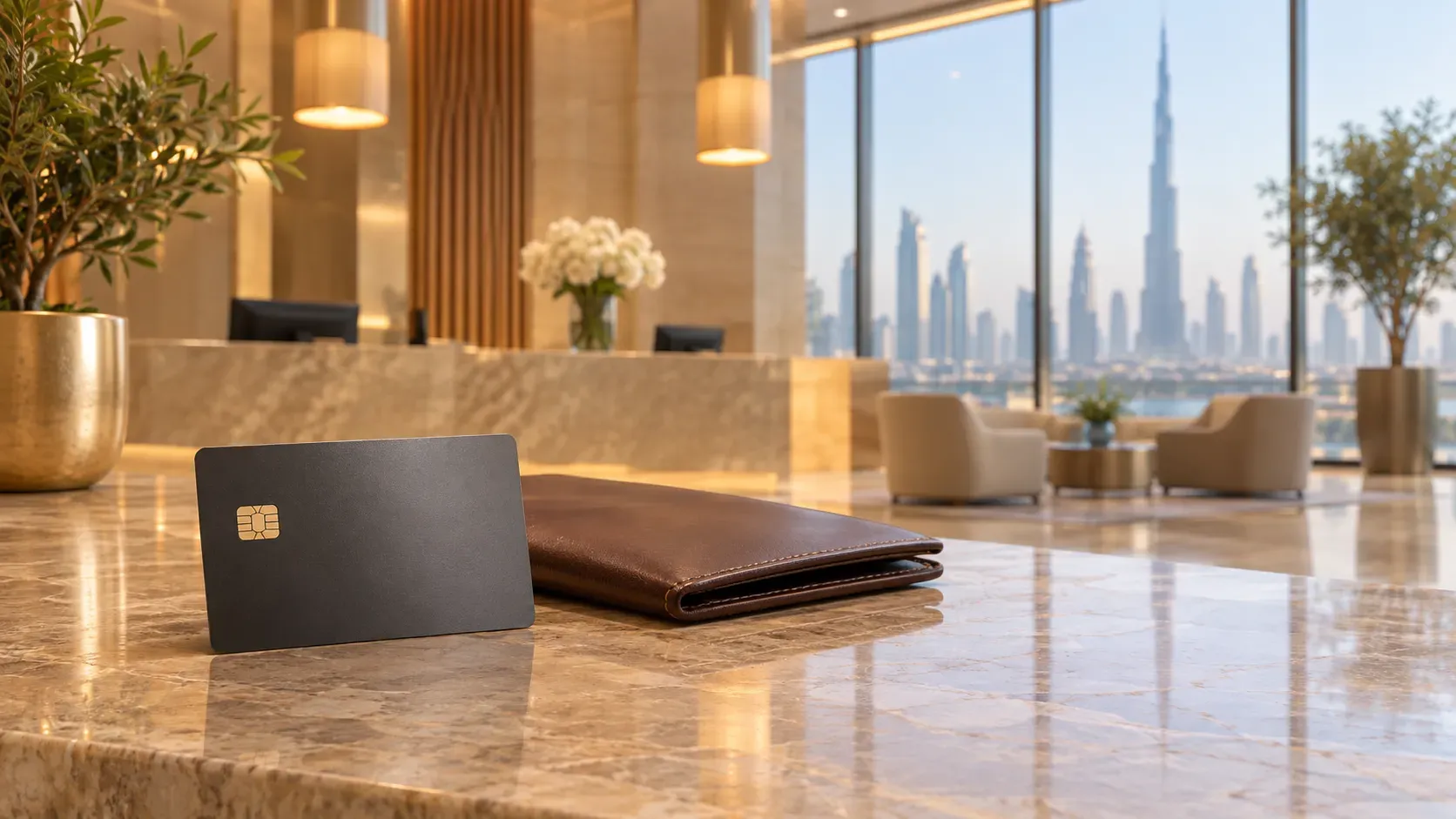
You have chosen the apartment, the agent is friendly, and then comes the line that stops many overseas buyers: "You will need a UAE bank account." You do not live in the UAE, you have no Emirates ID, and you are not sure any bank will even talk to you.
The good news is that non-residents can open UAE accounts, but the process is slower and stricter than at home. This guide shows what banks ask for, what to expect from the account, and whether you really need one for your purchase.
Quick Answer
Yes, a non-resident can open a UAE bank account, but only a small number of banks offer it and the checks take longer. Expect to visit in person, explain why you want the account, and prove where your money comes from. Whether you need one depends on how you buy. Off-plan payments usually go to an escrow account, while resale payments often use manager's cheques.
Key Takeaways
- Only a limited number of UAE banks open accounts for non-residents.
- You will usually need to attend in person and show proof of your property purchase and source of funds.
- Non-residents are often offered a savings account with minimum balances, not a full current account.
- Off-plan buyers can often pay by bank transfer, but resale deals commonly rely on manager's cheques.
- Approval can take weeks, so start well before your transfer date.
Can a Non-Resident Open a UAE Bank Account?
Yes. A non-resident can open an account with a small group of UAE banks, but it is not as simple as opening one at home. Banks treat non-resident accounts as higher risk, so they run extra compliance checks before approving an application.
According to Gulf News, approvals can take anywhere from about three weeks to six months. Physical presence in the UAE is generally required, and policies differ from bank to bank.
Do You Actually Need a UAE Bank Account to Buy Property?
Not always. It depends on whether you buy off-plan or a ready property.
Off-plan from a developer:
- Payments go into a project escrow account that the Dubai Land Department monitors.
- You can often pay by international bank transfer, so you may not need a local account.
- Our guide to escrow accounts in Dubai real estate explains how this protection works.
Resale of a ready property:
- The purchase price is usually paid by manager's cheque, according to a Dubai legal consultancy's guide.
- That generally means the buyer needs a UAE bank account to have the cheque issued.
- If neither buyer nor seller has an account, a third party may have to handle the payment.
Khaleej Times has also reported that a non-resident buying property will need to open a local savings account to transfer the funds. Ask your agent and your trustee office what your specific deal requires before you start.
What Documents Will the Bank Ask For?
Expect a compliance-heavy checklist. Gulf News lists the following for non-residents:
- A reason for the account. For a property purchase, proof of your engagement with a real estate agency.
- Proof of source of funds. Six months of bank statements, plus salary or business statements.
- A CV or professional summary.
- Proof of your foreign address, such as a utility bill or bank reference letter.
- Your passport copy.
Banks may ask for more after their first review, so keep extra documents ready. Read the full requirements in Gulf News' guide to non-resident bank accounts, and check each bank's current list before you apply.
What Account Types and Balances Should You Expect?
Without an Emirates ID, non-residents are generally offered a savings account rather than a full current account. Here is what Gulf News reported, which you should treat as a guide because it varies by bank:
Account | Typical minimum balance | What to expect |
|---|---|---|
Savings account | About AED 30,000 | Limited features |
Priority banking | About AED 500,000 | Easier approval for non-residents |
Initial deposit | Often from AED 250,000 | Some banks ask for a significant first deposit |
Other guides quote different figures, from AED 25,000 upwards, so confirm the number with the bank in writing.
Two limits matter for buyers:
- No cheque book or debit card on some accounts. Ask whether the bank can still issue a manager's cheque for your purchase.
- Limited features. Online banking and multi-currency options may be restricted.
Is There a Faster Digital Option?
For visitors, possibly. In April 2026, the UAE launched a Tourist Identity initiative that lets visitors open an account digitally in minutes through ADCB's mobile app. It was developed with the Central Bank of the UAE and the Federal Authority for Identity, Citizenship, Customs and Port Security.
Be careful before relying on it. The reporting describes digital debit cards for everyday payments, and it does not say whether these accounts suit a property purchase or a large transfer. See Khaleej Times on the Tourist Identity accounts, and ask your agent and bank before you depend on one.
How Does the Account Fit into Your Purchase?
Here is the usual order of events:
- Confirm whether you need an account. Ask your agent whether your deal is off-plan or resale.
- Choose a bank that accepts non-residents, and check its documents list.
- Book a visit to the UAE and bring your documents.
- Open the account and fund it from your home bank.
- Keep proof of every transfer, because banks and developers will ask where the money came from.
- Use the account for payments, such as the deposit, fees and manager's cheques.
For the transfer itself, read our guide to transferring money for a Dubai property purchase.
Will a UAE Account Help You Get a Mortgage?
It can help, but it does not guarantee approval. Banks that lend to non-residents look at your income, your deposit and your credit history. A relationship with the lender can make the process smoother, but you still need to meet its lending rules.
Non-resident lending usually means a larger deposit and extra paperwork. See our guide to non-resident mortgages in Dubai for what to expect. Rules and bank policies change, so confirm details with the bank. This guide is general information, not financial advice.
What Mistakes Should Overseas Buyers Avoid?
Most delays are avoidable:
- Waiting until the transfer week to start the account process
- Arriving without proof of source of funds
- Assuming every bank accepts non-residents
- Ignoring minimum balances until you are at the branch
- Forgetting to ask whether the account can issue a manager's cheque
- Sending money before checking the property and the seller
Frequently Asked Questions
Can a non-resident open a bank account in the UAE?
Yes, but only a limited number of banks offer it. Expect extra compliance checks, a visit in person, and proof of your source of funds and your property purchase.
Do I need a UAE bank account to buy property in Dubai?
Not always. Off-plan payments usually go to a developer's escrow account by bank transfer. Resale deals often use manager's cheques, which generally require a UAE account.
What documents do banks ask non-residents for?
Typically a passport copy, proof of foreign address, six months of bank statements, a CV, proof of source of funds and a reason for the account, such as your property purchase.
What is the minimum balance for a non-resident account?
It varies by bank. Gulf News reported about AED 30,000 for a savings account and about AED 500,000 for priority banking, so confirm the figure with your chosen bank.
Can I open a UAE account online without visiting?
Usually not for a standard non-resident account, which generally requires you to attend in person. A new digital Tourist Identity option exists for visitors, but check whether it suits a property purchase.
Your Next Step
Opening a UAE bank account as a non-resident takes planning, not luck. Confirm whether your deal needs one, choose a bank that accepts non-residents, and gather your documents early.
Take your time, keep every record, and start the process well before your transfer date. That calm, informed approach is exactly what BuyHomeDubai helps buyers bring to every property decision.

Dubai Real Estate
Ready to find your
dream home in Dubai?
Browse thousands of properties across Dubai's most sought-after neighbourhoods. Our experts are ready to guide you.